
Word Relax: Word Puzzle Games
MASTERMIND WORD GAMESWord
4.81.17K Reviews
- Version
- 2.2.4
- Installs
- 100.00K
- Age Rating
- Everyone
Screenshots
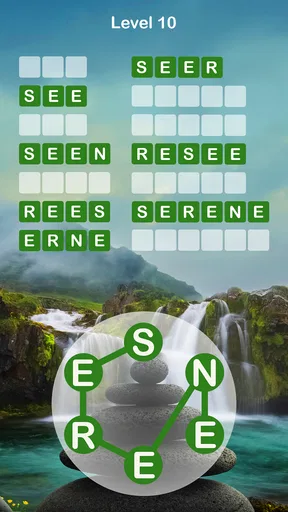
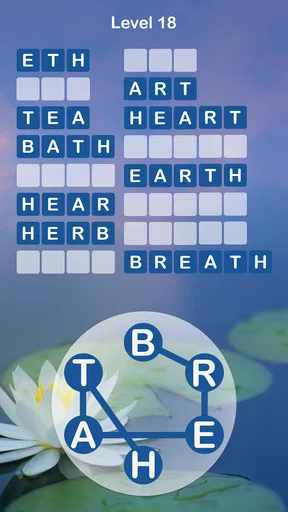
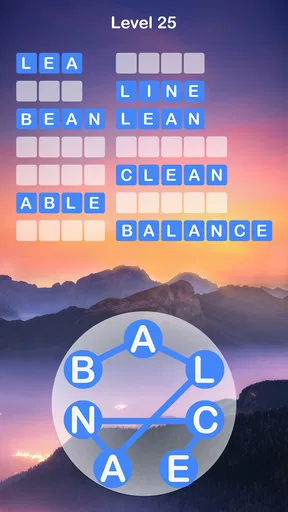
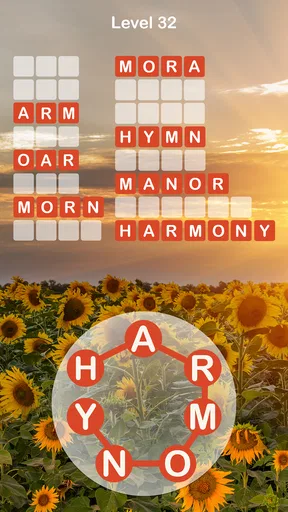
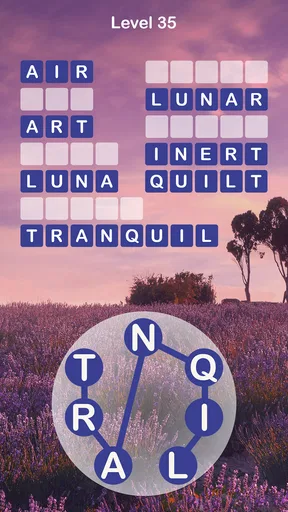
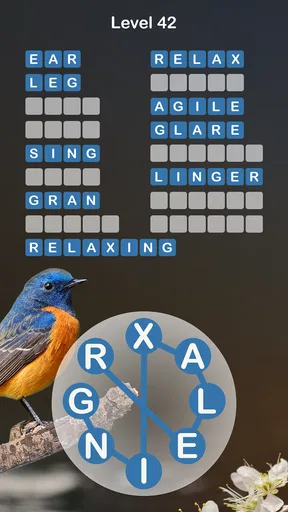
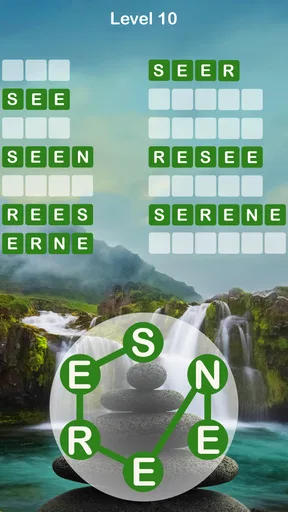
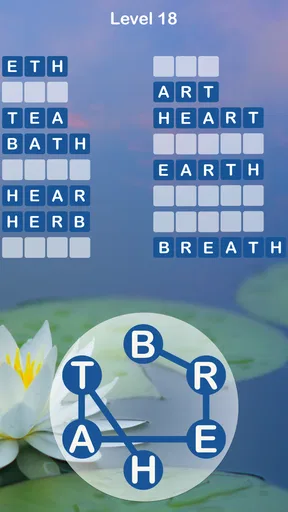
Our Review of Word Relax: Word Puzzle Games
 Analysis by Appyee
I downloaded Word Relax: Word Puzzle Games expecting a simple way to fill a few spare minutes, and that is exactly where it made its strongest first impression. It is a free word game from MASTERMIND WORD GAMES, built around arranging letters and solving familiar word puzzles at a comfortable pace. The presentation aims for a calm, low-pressure mood rather than the frantic rhythm of a timed challenge, so I found it easy to open when I wanted a short mental break.
The important question, though, is not whether a word game can be enjoyable for a week. Most can. The better test is whether it remains useful after the novelty disappears. In my experience, this one has genuine recurring value for casual players, people who enjoy vocabulary practice, and anyone who likes a quiet puzzle before bed or during a commute. It is less convincing for players who need deep strategy, competitive rankings, or a steady stream of radically different mechanics.
Why the first week feels so approachable
The opening sessions are easy to understand because the central action is familiar: I look at available letters, connect or rearrange them, and search for valid words. There is no long learning curve before the puzzle becomes playable. That matters on a phone, where I usually want to start immediately rather than study a complicated rule set.
The relaxed style also changes how I use it. With many word games, I feel pushed to protect a streak or beat a clock. Here, the appeal is closer to sitting with a crossword or a small anagram book. I can make progress in short bursts, stop when I need to, and return later without feeling that the game has demanded an evening from me.
During my first week, I found three particularly practical moments for it. A few puzzles worked well while waiting for an appointment, a longer session helped me switch off after work, and a brief round gave me something more active than scrolling through social media. The game is not a substitute for a full board game session, but it is much easier to fit into an unpredictable day.
That accessibility is one reason its audience appears broad. It carries an Everyone content rating, and the basic concept is understandable for younger players, adults, and older relatives who enjoy vocabulary puzzles. I would still treat it as a game rather than a formal learning tool: solving words can exercise recall and recognition, but the experience does not replace structured language study.
The initial satisfaction comes from the small discoveries. I often spotted an obvious word first, then noticed that the same letters could create another answer. That second layer gives a simple board a little more life. It rewards looking carefully instead of tapping randomly, even when the overall experience remains gentle.
Another advantage is the low commitment. I do not need to prepare a session, find another player, or remember a complex campaign. That makes it a good companion app for someone who wants a word category game but does not want the pressure associated with competitive daily challenges. If your ideal puzzle is quiet, readable, and easy to pause, the first week should feel welcoming.
What makes the early routine satisfying
I recommend beginning with short sessions rather than trying to clear everything at once. The game is at its best when I treat each puzzle as a small reset for my attention. Playing for a few minutes, putting the phone down, and returning later keeps the activity feeling refreshing instead of turning it into another obligation.
A useful habit is to search for the longest or most unusual-looking word before filling obvious short answers. This makes me inspect the letter groups more deliberately and reduces the feeling that I am simply sweeping through easy combinations. When I get stuck, I also find it better to pause and mentally pronounce possible arrangements than to repeatedly tap the same area.
That approach reveals a strength that a short store description would not communicate: the game can support two different moods. I can play casually for relaxation, or I can make the same puzzle more engaging by treating it as a vocabulary and pattern-recognition exercise. The rules do not change, but my level of attention does.
Whether it still earns attention after the novelty fades
After the first month, the question becomes more demanding. A pleasant interface and familiar word mechanics are enough to attract me, but they cannot alone guarantee a lasting place on my phone. The recurring value here depends on how much I enjoy the basic loop of finding words. If I already like anagrams and letter searches, the game has a reasonable chance of becoming a dependable habit.
For me, its long-term appeal comes from flexibility rather than constant surprise. I can use it as a short warm-up in the morning, a distraction during a pause, or a calm activity at night. That versatility is more durable than a novelty feature because it connects the game to different parts of the day.
It is also a sensible choice for players who dislike games that punish missed days. I do not need to build a large strategy around each session. The experience works even when I play irregularly, which is valuable for anyone whose schedule changes often. A game that welcomes occasional use can last longer for me than one that demands daily maintenance.
On the other hand, the same simplicity can become a limitation. Players who want branching tactics, a strong narrative, multiplayer competition, or a clear sense of mastery may outgrow it. A dedicated crossword app may offer richer clue interpretation, while a competitive word title may provide more tension and social motivation. I would choose this one for calm repetition, not for a high-stakes challenge.
The listed average rating is 4.8 from around 7.1 thousand ratings, and the game has passed 100 thousand installs. Those figures suggest that its straightforward approach connects with a substantial group of players, but they should not be mistaken for proof that every word-game fan will enjoy it indefinitely. The design is specialized: it serves people who appreciate accessible letter puzzles more than those searching for a constantly evolving system.
Its release history also gives it a settled feel. It first appeared on November 30, 2020, and the current version is 2.2.4. I see that as useful context when judging maintenance: this is not a brand-new experiment that still needs to prove its basic identity. It has had time to establish its format, although a mature format can also feel less exciting to players who want frequent reinvention.
How I would fit it into a regular routine
My preferred routine is to use it as a five-minute transition rather than as an all-night game. For example, after finishing work, I can play a small set of puzzles before moving to dinner. That creates a clear boundary between tasks without requiring a large block of free time. The same method works before sleep, provided I keep the session short and do not let the phone become a reason to stay awake.
For families, it can work as a shared vocabulary prompt. One person can suggest possible words while another handles the phone, turning a solitary puzzle into a small cooperative activity. I would not call it a full multiplayer experience, but it can still create conversation around unusual words and spelling.
It can also be useful for adults who want a light mental warm-up before writing or studying. I sometimes notice that searching through letter combinations makes me more attentive to spelling for a while afterward. That benefit is modest, and I would not present it as a guaranteed cognitive improvement, but it is a practical way to make a short break feel more purposeful.
For children, the Everyone rating makes the game broadly suitable, but I would play alongside younger users if the goal is learning. A child may recognize a word without understanding it, so discussing meanings turns a basic answer into a more valuable language activity. The game provides the prompt; the conversation provides the deeper lesson.
Maintenance is light, but the habit needs variety
One of the strongest long-term qualities is the low maintenance burden. I do not have to manage a complicated collection, organize a team, or remember a detailed upgrade path. The game asks for attention to words, not for administrative work. That makes it easier to keep installed even when I am not playing every day.
There is also no purchase required to begin. The game is free, which lowers the barrier for trying it during a short break. In-app purchases range from $0.99 to $49.99 per item, so I would check the purchase flow carefully before spending, especially if a child uses the device. The free entry point is appealing, but the presence of optional spending means I would still keep normal purchase controls in place.
The minimum operating-system requirement is Android 7.0, so the compatibility range is reasonably practical for people using older Android phones. That does not guarantee identical performance on every device, but it makes the game accessible to users who are not running the newest software. I would still keep the app updated when a compatible release is available, since puzzle games benefit from a stable installation even when their mechanics are simple.
Maintenance is not only technical, however. It is also psychological. A word game can remain installed without remaining interesting. To prevent that, I vary how I play: sometimes I focus on speed, sometimes on finding less obvious answers, and sometimes I stop after one puzzle. This prevents the activity from becoming a repetitive obligation.
A second useful tactic is to avoid using hints immediately when I get stuck. I first change my perspective, look for a different letter order, and return after a short pause. If I use assistance too early, the puzzle becomes a sequence of prompts rather than a satisfying search. The game is more rewarding when I preserve a little uncertainty.
That said, players who depend on frequent content updates may find the maintenance model less compelling. The lasting value is tied to the core puzzle loop, not to a promise of dramatic changes. If you need new rules, new competitive formats, or a strong progression system to stay interested, another word game may justify its space more effectively.
Where fatigue begins
The main source of fatigue is repetition. Rearranging letters is satisfying when I am in the mood for it, but the same activity can feel flat after a long session. The relaxed pacing helps prevent stress, yet it also reduces urgency. Without a timer or competitive pressure driving me forward, I sometimes notice that I am solving out of habit rather than excitement.
There is a trade-off here. A calmer design is kinder to casual players, but it offers fewer dramatic peaks. Someone who enjoys the tension of a countdown may find the experience too gentle. Someone who dislikes pressure may consider that exact gentleness the reason to keep it installed.
Vocabulary can create another kind of friction. When I encounter an answer I do not recognize, the puzzle may feel less like a test of reasoning and more like a test of whether I have seen that word before. That is common in word games, but it affects how fair the experience feels. I prefer to treat unfamiliar answers as opportunities to check their meaning rather than as evidence that I played badly.
There is also a difference between relaxing and mindlessly repeating. If I open the game while already tired, I may tap through easy combinations without receiving much mental benefit. In that situation, a short walk, music app, or genuinely passive activity might be a better choice. The game works best when I want light engagement, not when I want complete rest.
Spending can become a distraction for users who are tempted by optional purchases. Because the title is free to download but includes items across a broad price range, I would decide in advance whether I am comfortable paying for anything. My own approach is to enjoy the basic experience first and only consider a purchase if it solves a specific annoyance rather than becoming an automatic response to difficulty.
Finally, this is not the right app for every word-game preference. If your favorite format is clue-based solving, a traditional crossword will probably offer more interpretive depth. If you want head-to-head competition, a multiplayer word battle will create stronger urgency. If you want language instruction, a dedicated vocabulary course will be more systematic. I would choose this game when I want the middle ground: more active than passive entertainment, but less demanding than a serious puzzle session.
My long-term verdict
After looking beyond the first-week charm, I think Word Relax: Word Puzzle Games earns lasting space for a specific kind of player. It is a free, approachable word game that fits naturally into small gaps, does not require complicated preparation, and can support either casual relaxation or more attentive vocabulary play. MASTERMIND WORD GAMES has kept the focus narrow, and that focus is both its strength and its ceiling.
I would recommend it to someone who enjoys anagrams, wants a calm phone activity, or needs a flexible game that can be played irregularly. It is especially suitable for a person who values low pressure and would rather solve a few letter puzzles than commit to a long campaign. The Everyone rating also makes it a reasonable family-friendly option when an adult is available to turn the puzzles into a shared language exercise.
I would skip it if I needed a deep strategy layer, frequent novelty, competitive matchmaking, or a structured educational program. Those expectations would make the repetition feel more obvious over time. The game is not trying to be a complete word-learning system or an intense tournament platform, and judging it by those standards would be unfair to its actual purpose.
My practical advice is to install it, play in short sessions, and decide after the initial curiosity has settled. Pay attention to whether you look forward to the next puzzle or simply open it because it is already there. If the small discoveries still feel satisfying after several weeks, it has probably found a useful place in your routine. If the letter search starts to feel like maintenance, uninstalling it is sensible; there are better alternatives for nearly every more specialized word-game preference.
Overall, I see it as a dependable relaxation game rather than a title that dominates my attention. Its value comes from being easy to return to, easy to understand, and gentle enough for ordinary days. The real test is simple: if you want a quiet word habit instead of a demanding challenge, this is one I would comfortably recommend.
Verdict
Strengths of Word Relax: Word Puzzle Games
- Relaxing gameplay with no time limits or stressful competition.
- Large variety of word puzzles helps prevent the experience from feeling repetitive.
- Simple controls make it accessible for casual players of all ages.
- Useful hints can help when a puzzle becomes difficult.
- Offline play is convenient for travel or areas with limited internet access.
Limitations of Word Relax: Word Puzzle Games
- Some levels may feel too easy for experienced word-game players.
- Hints and extra features may be limited unless you watch ads.
- Repeated letter patterns can make certain puzzles feel predictable.
- Progression may lack depth for players seeking competitive challenges.
- Frequent advertising can interrupt the otherwise calm gameplay experience.
Other Releases by MASTERMIND WORD GAMES
View All
Similar Picks in This Category
View All
Word Search - Word Puzzle Game
Bluetile4.8

Word Search Quest - Puzzles
Blackout Lab4.8

CodyCross: Crossword Puzzles
Fanatee, Inc.4.7

Words of Wonders: Crossword
Fugo Games4.9

Wordscapes: Word puzzle game
PeopleFun4.7

Word Search Explorer
PlaySimple Games4.9
Frequently Asked Questions
What is Word Relax: Word Puzzle Games?
Word Relax: Word Puzzle Games is a casual word game designed for players who enjoy finding hidden words and completing relaxing puzzles. After trying it, I found the gameplay easy to understand: you connect or arrange letters to discover answers and progress through levels. It is suitable for short sessions, whether you want a quick mental exercise or a calmer game to play at your own pace.
How does the gameplay work in Word Relax?
The main objective is to identify words from the letters provided on each puzzle board. You usually swipe across letters or tap them in the correct order to form valid words, then use those answers to complete the level. Some puzzles may include extra words or bonus discoveries, so it is worth experimenting instead of focusing only on the most obvious solution.
Can I play Word Relax: Word Puzzle Games offline?
Many of the basic puzzles can generally be played without a continuous internet connection, which makes the game convenient for travel or areas with limited service. However, certain features may require online access, including advertisements, rewards, updates, synchronization, or optional purchases. I recommend opening the game once while connected and checking which functions remain available before relying on it completely offline.
Is Word Relax suitable for children and beginners?
Word Relax is accessible for beginners because its controls are simple and the early levels introduce the word-finding mechanics gradually. It can also be appropriate for children who are comfortable with the vocabulary used in the puzzles, although difficulty and language content may vary. Parents should review advertising, in-app purchase options, and the game’s privacy settings before allowing younger players to use it independently.
Does Word Relax contain ads or in-app purchases?
As with many free-to-download puzzle games, Word Relax may include advertising and optional in-app purchases. Ads can appear between levels or when you choose to receive extra hints, while purchases may offer coins, boosters, or an ad-free experience, depending on the version installed. Before downloading, check the current store listing for pricing and permissions, and use device purchase restrictions if needed.
Play our best games!


